



Uncovering the Opportunity For Dairy-Beef Crossbred Cattle
Calf : Dairy-Beef Cross

As the number of dairy-beef crossbred cattle entering the food production system rises, so does the potential for positive environmental impacts on the cattle industry.
A challenge that dominates today for beef and dairy producers are the impacts of climate change and, more specifically, greenhouse gas emissions. Consumers, investors and policymakers alike want to better understand the contribution of cattle production to climate change and ways we can mitigate emissions from the industry.
Sara Place, Ph.D., associate professor of feedlot systems at Colorado State University’s AgNext, says sustainability is a complex, multifaceted issue and often emotionally driven.
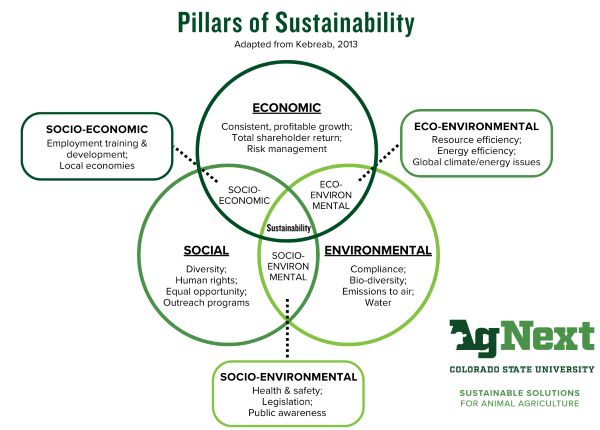
“There are three areas that encompass sustainability: economic viability, social responsibility and environmental stewardship, the last of which often gets the spotlight in the cattle industry,” says Place. “When we think about sustainability in the cattle system, it’s really about balancing these three areas and focusing long term on how our food production system can sustain and improve over time. This is an area where there’s an opportunity for dairy-beef crossbred cattle to really shine.”
The majority of greenhouse gas emissions from beef and dairy cattle production come from enteric methane production. From a carbon accounting perspective, dairy-beef allows for the opportunity to spread enteric methane emissions from the cows out over two commodities: dairy and beef.
“Beef and dairy crossbreeding creates an opportunity for a smaller carbon footprint because the dairy cow produces human edible food in the form of milk while also providing a calf to enter the beef system for meat,” Place says. “While methane is still being created, the emissions are spread out across more units of human foods, which has the potential to result in a system with a lower carbon footprint.”
Place stresses the importance of production efficiencies when it comes to carbon footprint.
“The beef system itself is complex, and we need grazing to feed animals out over the full 12 months of the year because almost all the calves in the U.S. are born in the spring. However, in traditional beef systems, we’ll likely have longer lifetimes and that means more methane for the whole carcass gets produced as compared to animals that spend a shorter amount of time getting to harvest. We also need to think about factors like illness and mortalities,” Place explains.
Whether a traditional beef system or a dairy-beef system, the elements that contribute from an economic and animal welfare perspective also matter from an environmental perspective. When cattle are well cared for and make it through the system in a healthy state with strong productivity, it can ultimately reduce the number of natural resources needed and methane produced per pound of beef.
When compared to traditional Holstein genetics entering the system, dairy-beef animals have shown higher efficiency of gain and better meat quality. The inherent nature of the dairy-beef system also allows producers to be more high-touch with the cattle, offering an opportunity for sustainability efforts and interventions throughout the animal’s lifespan.
“Bigger picture, it also gives us a runway to better test some of those questions we get from industry stakeholders and consumers, such as traceability. The opportunity to have positive environmental and health impacts on the animal’s life is huge. Dairy-beef systems can allow us to research things like early life management and how it can potentially affect lifetime efficiency and emissions.”
Dr. Place believes dairy-beef is a good example of highlighting just how integrated the whole cattle industry is.
“Historically, we’ve thought of these two industries as separate tracks in food production, but this is a great example to showcase how the cattle across both systems can be utilized to meet a variety of nutritional needs in the U.S.,” Place explains. “This way of thinking can help us produce beef and dairy more sustainably in the future, but also make sure that producers can remain in business and be sustainable themselves.”
Sara Place, PhD.
Associate Professor of Feedlot Systems
AgNext at Colorado State University
A challenge that dominates today for beef and dairy producers are the impacts of climate change and, more specifically, greenhouse gas emissions. Consumers, investors and policymakers alike want to better understand the contribution of cattle production to climate change and ways we can mitigate emissions from the industry.
Sara Place, Ph.D., associate professor of feedlot systems at Colorado State University’s AgNext, says sustainability is a complex, multifaceted issue and often emotionally driven.
“There are three areas that encompass sustainability: economic viability, social responsibility and environmental stewardship, the last of which often gets the spotlight in the cattle industry,” says Place. “When we think about sustainability in the cattle system, it’s really about balancing these three areas and focusing long term on how our food production system can sustain and improve over time. This is an area where there’s an opportunity for dairy-beef crossbred cattle to really shine.”
The majority of greenhouse gas emissions from beef and dairy cattle production come from enteric methane production. From a carbon accounting perspective, dairy-beef allows for the opportunity to spread enteric methane emissions from the cows out over two commodities: dairy and beef.
“Beef and dairy crossbreeding creates an opportunity for a smaller carbon footprint because the dairy cow produces human edible food in the form of milk while also providing a calf to enter the beef system for meat,” Place says. “While methane is still being created, the emissions are spread out across more units of human foods, which has the potential to result in a system with a lower carbon footprint.”
Place stresses the importance of production efficiencies when it comes to carbon footprint.
“The beef system itself is complex, and we need grazing to feed animals out over the full 12 months of the year because almost all the calves in the U.S. are born in the spring. However, in traditional beef systems, we’ll likely have longer lifetimes and that means more methane for the whole carcass gets produced as compared to animals that spend a shorter amount of time getting to harvest. We also need to think about factors like illness and mortalities,” Place explains.
Whether a traditional beef system or a dairy-beef system, the elements that contribute from an economic and animal welfare perspective also matter from an environmental perspective. When cattle are well cared for and make it through the system in a healthy state with strong productivity, it can ultimately reduce the number of natural resources needed and methane produced per pound of beef.
When compared to traditional Holstein genetics entering the system, dairy-beef animals have shown higher efficiency of gain and better meat quality. The inherent nature of the dairy-beef system also allows producers to be more high-touch with the cattle, offering an opportunity for sustainability efforts and interventions throughout the animal’s lifespan.
“Bigger picture, it also gives us a runway to better test some of those questions we get from industry stakeholders and consumers, such as traceability. The opportunity to have positive environmental and health impacts on the animal’s life is huge. Dairy-beef systems can allow us to research things like early life management and how it can potentially affect lifetime efficiency and emissions.”
Dr. Place believes dairy-beef is a good example of highlighting just how integrated the whole cattle industry is.
“Historically, we’ve thought of these two industries as separate tracks in food production, but this is a great example to showcase how the cattle across both systems can be utilized to meet a variety of nutritional needs in the U.S.,” Place explains. “This way of thinking can help us produce beef and dairy more sustainably in the future, but also make sure that producers can remain in business and be sustainable themselves.”
Sara Place, PhD.
Associate Professor of Feedlot Systems
AgNext at Colorado State University
.png?width=300&height=430&ext=.png)