


How Does Exercise Affects Nutrient Requirements of Performance Horses
Life Stage : Mature - Performance

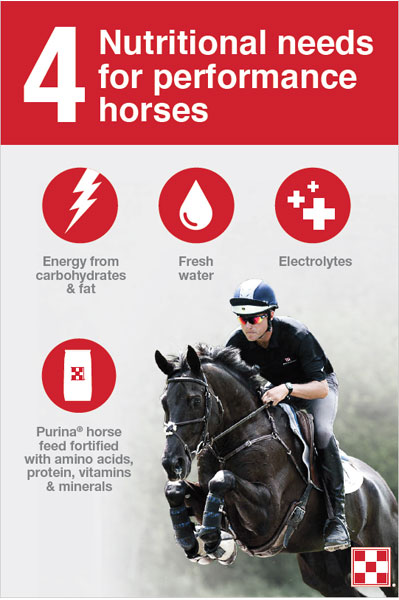
When feeding performance horses, it is important to provide fuel for energy expenditure, replenish nutrients for muscle function and support health through a balanced diet.
Specific nutrient requirements that are affected by exercise include:
Fat, the other primary energy source, contains 2.25 times more energy than an equal amount of carbohydrates and is the most abundant source of stored energy in the horse’s body. It also provides essential fatty acids, which are vital for skin, coat and hoof health and to certain aspects of immune function. Good sources of fat include vegetable and marine oils, flaxseed and rice bran.
Water is one of the most overlooked nutrients affected by exercise. A horse can ingest water by drinking or eating moist feed, which can contain anywhere from 10% to 80% water. Horse hay and grain contain around 10% water, whereas fresh grass is approximately 80% water. A horse loses water through urine, feces, sweat and the respiratory tract. Lactating mares also lose water through milk.
Loss of water through sweat is greatly affected by the environment. For every hour of exercise in temperatures below 68°F, a horse will lose 1 to 2 gallons of sweat, and up to 3 to 4 gallons when temperatures are above 86°F. To maintain proper hydration, an exercising horse should consume 10 to 20 gallons or more of water per day. Keep water buckets and troughs clean while providing adequate electrolytes through the diet to promote water intake and help prevent dehydration.
Generally, proper electrolyte levels can be supplied by the horse’s diet if their daily ration consists of moderate-quality forage, a fortified commercial grain mix and if supplemented with 1 to 2 ounces of salt or commercial electrolyte preparation.
Year-round, supplemental salt may be plain white salt (iodized or non-iodized is acceptable) provided in block or loose form for free-choice consumption. Note that for some horses, offering a salt block may not deliver enough for the diet because horses are not natural lickers. Instead, loose salt for free-choice consumption or as a top-dress may be the ideal form factor.
As you transition into warmer months when your horse will be sweating more, switch out plain salt for a good quality electrolyte to replace what they lose during work. A quality electrolyte is one that doesn't list sugar as a main ingredient — instead, look for sodium, chloride and potassium at the top of the ingredient list.
Avoid over-supplementation of electrolytes in diets for performance horses. For example, forages generally contain 1% to 2% potassium, meaning typical horse diets have too much, meaning supplemental potassium may not be required. Administering additional electrolytes to an already dehydrated horse can cause significant problems, and repeated oral administration of electrolyte solutions has been shown to exacerbate gastric ulcers.
For a balanced approach to nutrient support, consider Purina® RepleniMash® Product, formulated with both electrolytes to replenish nutrients lost in sweat and encourage hydration, plus Outlast® Gastric Support Supplement to support the digestion of all these vital nutrients.
Horses in low-to-moderate work often do not receive adequate protein in their diets. These horses do not require additional calories and are fed primarily grass hay and little to no concentrate. They have plenty of rib cover and are potentially overweight at a 6.5 to 7 body condition score but have a poorly developed topline, due to protein deficiency. These horses would benefit from a ration-balancing feed, such as Purina® Enrich Plus®, to supply the necessary protein, vitamins and minerals needed for work without unnecessary calories.
However, it is possible to provide too much protein to a horse, even those with high-energy demands. Excess occurs when feeding high-quality, alfalfa-based hays in large quantities or adding protein supplements to a diet that already has enough. Horses can tolerate a moderate excess of protein because it can be eliminated through urine — but once the total protein level of their diet approaches 25%, their athletic performance can suffer as passing excess protein can cause increased sweat loss. The total protein make-up of a performance horse diet (forage plus concentrate) should be between 10% to 16% to avoid the negative effects of protein excess.
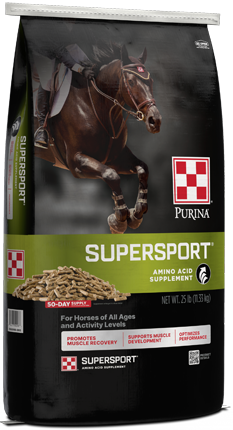
Purina® SuperSport® Amino Acid Supplement offers a blend of amino acids, vitamins and minerals proven to support muscle performance in exercising horses. Horses fed Purina® SuperSport® have shown improvements in muscle development, exercise recovery and overall athletic fitness and performance when compared to horses not receiving the supplement.
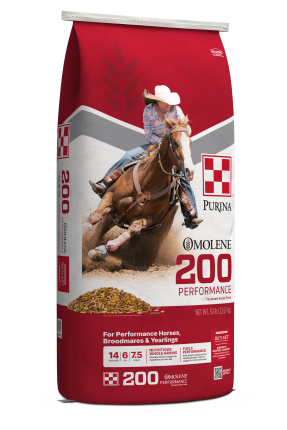
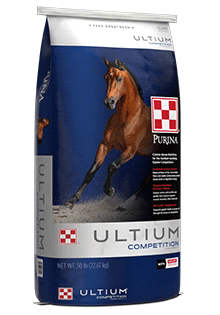
Feeding a concentrate from a reputable feed manufacturer, formulated specifically for the performance horse and getting the feeding rate recommended on the feed tag for his age, body weight and workload will help ensure these needs are met. Because of the complex nature of balancing a diet for proper nutrient levels and ratios, it becomes more challenging when attempting to meet a horse’s vitamin and mineral needs through straight, unfortified cereal grains such as whole oats.
Vitamin E is important for performance horses because of its role in combating muscle damage caused by free radicals produced during exercise and high fat diets. The moderately exercising horse should receive at least 1000 IU of vitamin E per day. There is some evidence vitamin E supplied at levels up to 3,000 IU per day may provide additional benefit, especially for horses suffering from neurological or muscle abnormalities.
Looking for the right feed to meet nutritional requirements for your performance horses? Use the Feed Finder to try a Purina® horse feed.
Specific nutrient requirements that are affected by exercise include:
- Energy
- Water
- Electrolytes
- Protein and amino acids
- Vitamins and minerals
Energy
The primary energy sources in a horse’s diet are carbohydrates and fat. There are two general categories of dietary carbohydrates: non-structural and structural.- Non-structural carbohydrates (NSC) include sugars and starches digested in the small intestine.
- Structural carbohydrates include fibers digested in the hindgut (cecum and large colon).
Fat, the other primary energy source, contains 2.25 times more energy than an equal amount of carbohydrates and is the most abundant source of stored energy in the horse’s body. It also provides essential fatty acids, which are vital for skin, coat and hoof health and to certain aspects of immune function. Good sources of fat include vegetable and marine oils, flaxseed and rice bran.
 Water
Water
Water is one of the most overlooked nutrients affected by exercise. A horse can ingest water by drinking or eating moist feed, which can contain anywhere from 10% to 80% water. Horse hay and grain contain around 10% water, whereas fresh grass is approximately 80% water. A horse loses water through urine, feces, sweat and the respiratory tract. Lactating mares also lose water through milk.Loss of water through sweat is greatly affected by the environment. For every hour of exercise in temperatures below 68°F, a horse will lose 1 to 2 gallons of sweat, and up to 3 to 4 gallons when temperatures are above 86°F. To maintain proper hydration, an exercising horse should consume 10 to 20 gallons or more of water per day. Keep water buckets and troughs clean while providing adequate electrolytes through the diet to promote water intake and help prevent dehydration.
Electrolytes
A horse’s body cannot store electrolytes, so they must be provided through the diet to replenish what is lost in sweat each day. Horse sweat contains a high concentration of sodium and chloride as well as potassium, calcium and magnesium. Maintaining the correct electrolyte balance is essential to support the horse’s thirst reflex and proper muscle function.Generally, proper electrolyte levels can be supplied by the horse’s diet if their daily ration consists of moderate-quality forage, a fortified commercial grain mix and if supplemented with 1 to 2 ounces of salt or commercial electrolyte preparation.
Year-round, supplemental salt may be plain white salt (iodized or non-iodized is acceptable) provided in block or loose form for free-choice consumption. Note that for some horses, offering a salt block may not deliver enough for the diet because horses are not natural lickers. Instead, loose salt for free-choice consumption or as a top-dress may be the ideal form factor.
As you transition into warmer months when your horse will be sweating more, switch out plain salt for a good quality electrolyte to replace what they lose during work. A quality electrolyte is one that doesn't list sugar as a main ingredient — instead, look for sodium, chloride and potassium at the top of the ingredient list.
Avoid over-supplementation of electrolytes in diets for performance horses. For example, forages generally contain 1% to 2% potassium, meaning typical horse diets have too much, meaning supplemental potassium may not be required. Administering additional electrolytes to an already dehydrated horse can cause significant problems, and repeated oral administration of electrolyte solutions has been shown to exacerbate gastric ulcers.
For a balanced approach to nutrient support, consider Purina® RepleniMash® Product, formulated with both electrolytes to replenish nutrients lost in sweat and encourage hydration, plus Outlast® Gastric Support Supplement to support the digestion of all these vital nutrients.
Protein and Amino Acids
Not all protein is created equal, so instead, horses have an amino acid requirement rather than a protein requirement. Amino acids are the building blocks of protein, so quality protein sources will have a variety of key amino acids. Certain amino acids, such as lysine, threonine and methionine, are significant components of muscle protein. They are considered essential, as horses cannot make them, and they must be supplied through the diet. Feeding a commercially prepared concentrate containing high-quality protein sources, like soybean and alfalfa meal, along with additional individual amino acids, will promote muscle tone and a strong topline.Horses in low-to-moderate work often do not receive adequate protein in their diets. These horses do not require additional calories and are fed primarily grass hay and little to no concentrate. They have plenty of rib cover and are potentially overweight at a 6.5 to 7 body condition score but have a poorly developed topline, due to protein deficiency. These horses would benefit from a ration-balancing feed, such as Purina® Enrich Plus®, to supply the necessary protein, vitamins and minerals needed for work without unnecessary calories.
However, it is possible to provide too much protein to a horse, even those with high-energy demands. Excess occurs when feeding high-quality, alfalfa-based hays in large quantities or adding protein supplements to a diet that already has enough. Horses can tolerate a moderate excess of protein because it can be eliminated through urine — but once the total protein level of their diet approaches 25%, their athletic performance can suffer as passing excess protein can cause increased sweat loss. The total protein make-up of a performance horse diet (forage plus concentrate) should be between 10% to 16% to avoid the negative effects of protein excess.
Purina® SuperSport® Amino Acid Supplement offers a blend of amino acids, vitamins and minerals proven to support muscle performance in exercising horses. Horses fed Purina® SuperSport® have shown improvements in muscle development, exercise recovery and overall athletic fitness and performance when compared to horses not receiving the supplement.
Vitamins and Minerals
The increased vitamin and mineral needs of the exercising horse can be met with a well-fortified diet, bolstered by feed and supplements.Feeding a concentrate from a reputable feed manufacturer, formulated specifically for the performance horse and getting the feeding rate recommended on the feed tag for his age, body weight and workload will help ensure these needs are met. Because of the complex nature of balancing a diet for proper nutrient levels and ratios, it becomes more challenging when attempting to meet a horse’s vitamin and mineral needs through straight, unfortified cereal grains such as whole oats.
Vitamin E is important for performance horses because of its role in combating muscle damage caused by free radicals produced during exercise and high fat diets. The moderately exercising horse should receive at least 1000 IU of vitamin E per day. There is some evidence vitamin E supplied at levels up to 3,000 IU per day may provide additional benefit, especially for horses suffering from neurological or muscle abnormalities.
Making It All Work for Your Horse
By taking time to understand how exercise affects the nutrient requirements of your horse, you can more effectively choose a nutrition program that will complement your training program and sustainably support your horse. Seeking advice from professionals like your equine veterinarian or nutritionist is also a good option when you have a specific question.Looking for the right feed to meet nutritional requirements for your performance horses? Use the Feed Finder to try a Purina® horse feed.